
GRITTY EPIC FANTASY • DARK WORLDS • HOPEFUL HEROES
Is Dungeon Lords Grimdark? The Difference Between Dark Fantasy and a Dark World
THE WORLD CAN BE BRUTAL WITHOUT BELIEVING THAT HEROISM IS POINTLESS
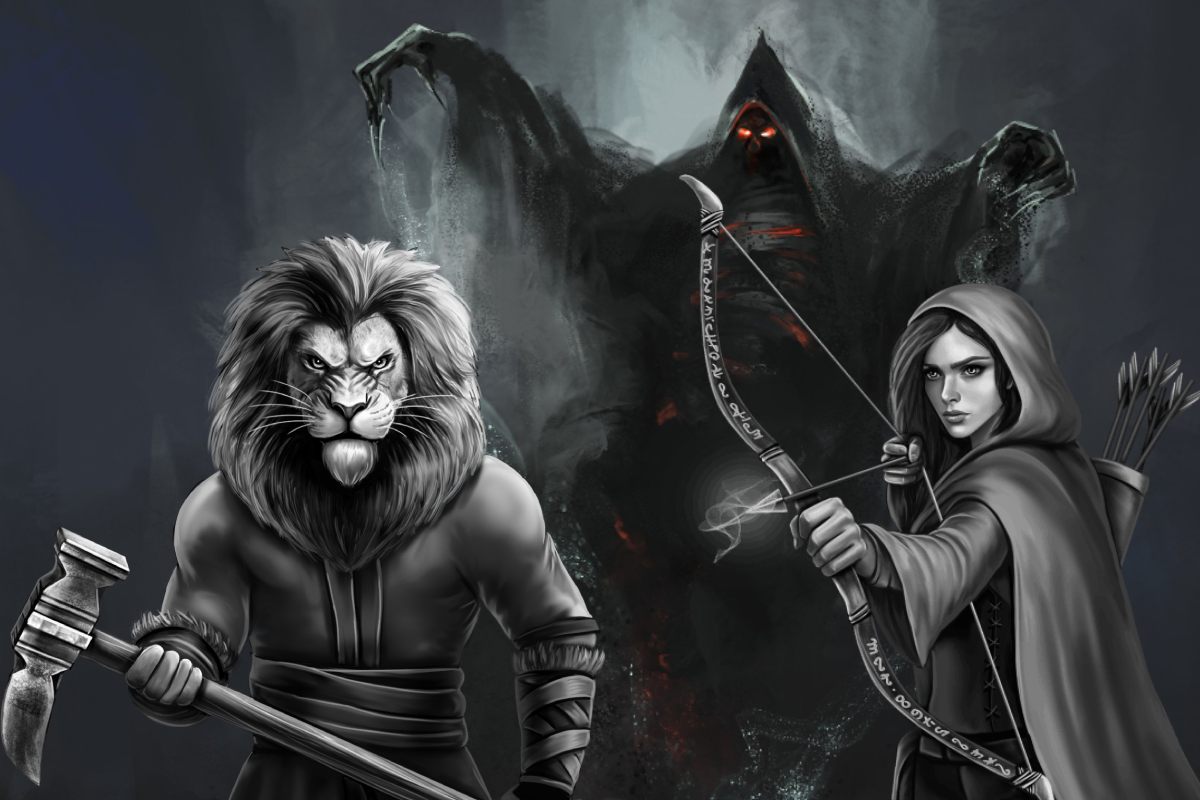
Spoilers below for Dungeon Lords: The Lost Disciple
Dungeon Lords: Fate of Evania can get dark.
People die. Kingdoms fall. Families are destroyed. Characters are imprisoned, tortured, betrayed, enslaved, mutilated, and forced to live with consequences that don't disappear when the battle ends.
So, is Dungeon Lords Grimdark?
No.
Despite some Grimdark elements, Dungeon Lords by J.B. Coleman is better described as a gritty epic fantasy series set in a dark world where friendship, found family, heroism, and hope still matter.
That distinction is fundamental to the story.
Grimdark and dark epic fantasy can share violence, morally complicated characters, political betrayal, war, and terrible consequences. What separates them isn't simply how much suffering appears on the page.
It's what the story believes about the people trying to survive it.
And in Evania, doing the right thing still matters.
Experience A World Before the Dungeon Lords®
Get this 221 page book FREE!
Set long before the events of The Lost Disciple, long before the Dungeon Lords came to be, explore the events of Tahlari!

What Is Grimdark Fantasy?
There isn't a single checklist that determines whether a fantasy novel qualifies as Grimdark.
The term generally describes fantasy built around an especially bleak view of its world and the people inhabiting it. Grimdark fantasy often emphasizes moral ambiguity, corruption, brutality, compromised characters, and institutions where traditional ideas of heroism may be difficult to find or even naïve.
That's why simply asking whether a fantasy book contains violence doesn't tell you much.
A heroic fantasy can be violent.
An epic fantasy can contain horrifying events.
Characters can lose people they love, make terrible mistakes, suffer permanent injuries, or live in a world ruled by cruel people without the story itself becoming Grimdark.
The better question is what remains after all of that darkness.
Is there still something worth fighting for?
In Dungeon Lords, the answer is yes.
Dungeon Lords Is a Gritty Epic Fantasy, Not Grimdark
Evania is not a pleasant fantasy world.
The series begins in the aftermath of a prophecy gone catastrophically wrong. Eli, the man chosen to free Evania from Cosimir the Eternal, survives the sacrifice that was supposed to complete that prophecy and becomes another tyrant. His former disciples are transformed into monstrous humanoid creatures, and the rebellion that was supposed to save the world creates another disaster instead.
That sounds pretty damn bleak.
And things don't suddenly get easier once The Lost Disciple begins.
Faro wakes with almost no memory of who he was. Graeton is attacked. Veronica is kidnapped. Osric is killed. Dark magic that had been suppressed for centuries is spreading again.
The heroes don't always win, either.
Sometimes doing the right thing makes their lives considerably worse.
But those failures don't convince the characters that doing the right thing was a mistake.
That's one of the most important differences between the darkness of Dungeon Lords and the worldview readers may associate with Grimdark fantasy.
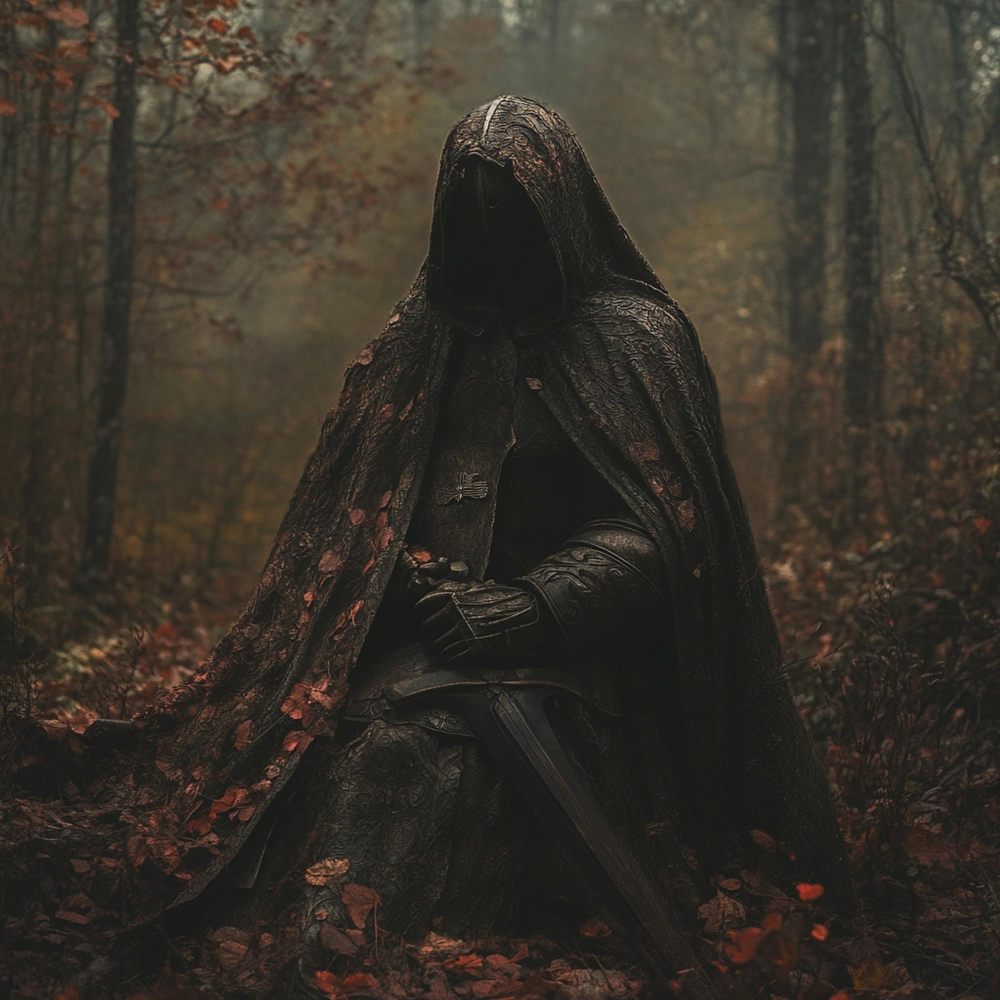
A Dark Fantasy With Hope
One of the clearest examples comes from the central mission of The Lost Disciple.
Veronica has been kidnapped.
Faro barely understands his own identity. He has enemies hunting him and enormous questions about his past that he desperately wants answered.
Yet the party goes after her.
That decision eventually costs them more than they could possibly anticipate. Their journey brings them closer together, but when they finally emerge from Umbra's Veil, Evania has changed.
Faro still looks at Veronica and knows saving her was worth it.
That's Dungeon Lords.
The heroes can make the morally correct decision and suffer horribly for it.
The story doesn't respond by declaring morality meaningless.
It asks them to make the choice again.
Friendship Matters in a Dark World
The relationships between the characters are another reason Dungeon Lords fits better as gritty epic fantasy than Grimdark.
These aren't interchangeable party members who happen to be traveling toward the same objective.
They gradually become a family.
Early in The Lost Disciple, Tobi loses his home and someone he cares about. For perhaps the first time Thora can remember, the gruff dwarf breaks down.
Her answer is simple:
They still have each other.
That idea continues throughout the series.
They argue. They disagree. They irritate each other. Some of them initially have little reason to trust one another.
But when one disappears, the others go looking.
When the party believes Faro may be imprisoned beneath Umbra's Veil, finding him becomes the priority. When they eventually discover him weakened in a dungeon cell, their reaction isn't strategic relief that they've recovered a useful fighter. They're simply happy their friend is alive.
The darkness creates pressure on those relationships.
It doesn't make those relationships meaningless.
Found Family Is Part of the Point
That becomes increasingly important as the series expands.
The characters lose homes, family members, pieces of their identities, and sometimes entire parts of the world they once knew.
What they build with one another becomes a replacement for some of what has been taken.
Even characters outside the original party wrestle with this.
In The Orb and the Oracle, Veronica reaches a point where she believes she has no one left. She is grieving her family while sitting at another family's table. Instead of treating that loss as another cruel fact of life, the people around her offer something imperfect but meaningful in return: time with their family.
Nobody can undo what happened.
That's important.
Dungeon Lords doesn't use hope to erase consequences.
Its characters carry scars.
Hope means deciding those scars aren't the only things that define what happens next.
Heroism Doesn't Mean the Heroes Always Win
The heroes of Evania aren't heroes because they're the strongest people in the room.
Often, they aren't.
They're heroes because they keep choosing to help people when walking away would be easier.
Faro repeatedly puts himself in danger for people who need him. In The Orb and the Oracle, he's pressured into a deadly confrontation while people back in Underoth are depending on him. When a dwarf is tortured in front of him, Faro agrees to take on another dangerous task rather than simply watch the dwarf suffer.
Those choices aren't always smart.
They certainly aren't safe.
Sometimes they're disastrous.
That's part of what makes the series gritty.
Heroism isn't rewarded with plot armor and a clean victory.
Sometimes being heroic hurts.
The Difference Between Grimdark and a Dark World
This is probably the simplest way to explain the distinction.
Evania can be cynical. The story isn't.
There are corrupt rulers, betrayals, wars, slavery, dark magic, political schemes, monsters, and people willing to do horrific things for power.
But their existence doesn't prove that everyone is secretly just as terrible.
Quite the opposite.
The darkness gives kindness meaning.
Loyalty matters because betrayal is possible.
Family matters because it can be lost.
Sacrifice matters because there is actually something worth sacrificing for.
Hope matters because sometimes there is very little reason to have any.
And heroism matters precisely because the world does not make heroism easy.
Dark Fantasy With Consequences
That doesn't mean Dungeon Lords softens its consequences to preserve an optimistic tone.
As the series continues, those consequences become increasingly permanent.
Victories can come with terrible costs. People cannot always be saved. Characters can survive an ordeal without returning to the person they were before it.
That's particularly important to The Orb and the Oracle, where the scale of the conflict grows dramatically.
The party emerges from its first adventure to discover that the world didn't wait for them while they were saving Veronica, and nearly everything has changed.
The heroic act succeeded.
They saved the girl.
The consequences were still catastrophic.
That's the kind of darkness at the heart of Dungeon Lords.
Not hopelessness.
Cost.
What About the "Grimdark Elements"?
Readers who enjoy Grimdark may still find plenty to like in Dungeon Lords.
There are political power struggles, betrayal, morally complicated people, brutal fights, ancient evil, fallen kingdoms, slavery, war, dark magic, and characters forced into situations without clean solutions.
So describing the series as having Grimdark elements can make sense.
Calling the series itself Grimdark doesn't.
The distinction becomes increasingly important because genre labels create expectations.
If you're looking for a fantasy series where hope itself is treated as foolish, Dungeon Lords probably isn't what you're looking for.
If you're looking for a gritty epic fantasy where decent people are thrown into an increasingly brutal world and have to decide whether they're still willing to be decent?
Now we're getting somewhere.
Gritty Epic Fantasy With Found Family
That's the home that fits Dungeon Lords: Fate of Evania best.
It's gritty epic fantasy.
It's dark fantasy with hope.
It's an adventure built around friendship and found family.
It's a world where heroes can lose.
And it's a story where losing doesn't make heroism pointless.
The party doesn't stay together because prophecy says they have to.
They stay because of the relationships they form while everything around them gets worse.
That difference matters.
The darkness is the obstacle.
It isn't the message.
So, Is Dungeon Lords Grimdark?
No.
Dungeon Lords: Fate of Evania by J.B. Coleman is a gritty epic fantasy series set in a dark world where friendship, found family, heroism, and hope still matter.
If you enjoy the danger, brutality, political conflict, consequences, and moral pressure of darker fantasy but still want characters worth rooting for, Dungeon Lords occupies that space between traditional heroic fantasy and Grimdark.
Evania isn't going to be kind to its heroes.
Some victories will cost them dearly.
Some wounds won't heal.
Some people won't make it home.
But the series never asks you to believe that trying to save someone was foolish simply because saving them came at a cost.
Sometimes the world gives you every reason to stop caring.
The heroes of Dungeon Lords keep caring anyway.
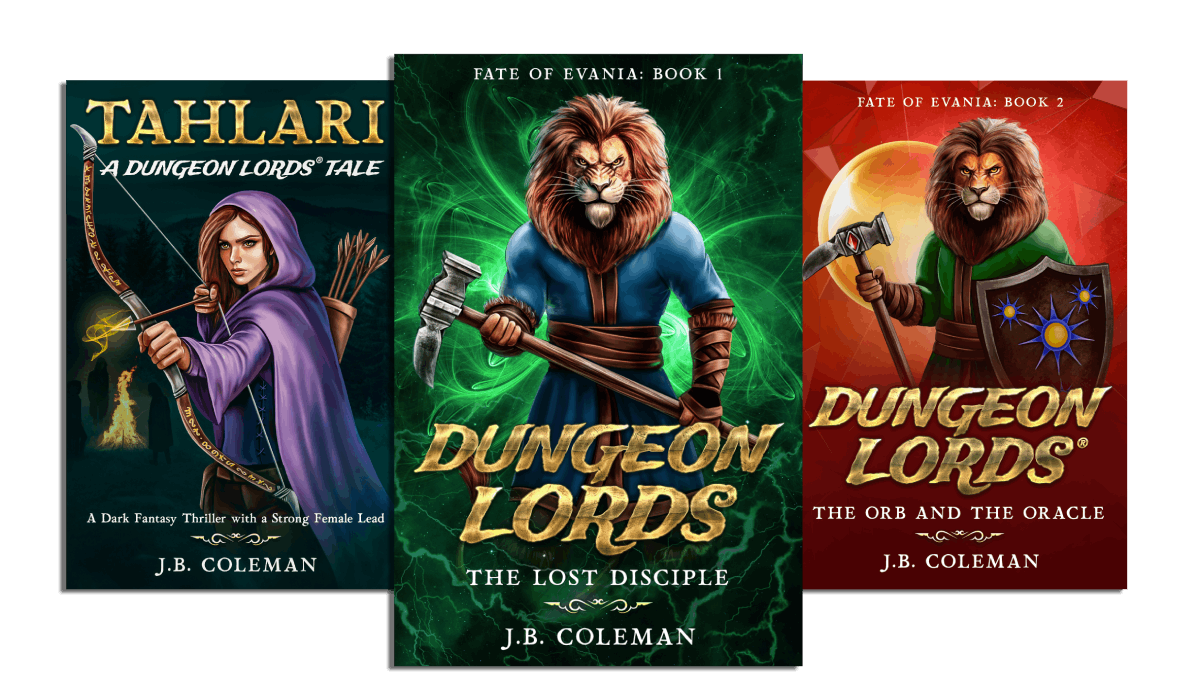

Experience A World Before the Dungeon Lords®
Get this 221 page book FREE!
Set long before the events of The Lost Disciple, long before the Dungeon Lords came to be, explore the events of Tahlari!