Dungeon Lords Computer Gaming World Review (Issue #254) – The Infamous 0-Star Verdict
Preserved in the Legacy Vault so Dungeon Lords is never forgotten.
Review Details
-
Magazine: Computer Gaming World
-
Issue: #254
-
Cover Date: September 2005
-
Reviewer: Denice Cook
-
Verdict: 0 Stars
-
Review Placement: Half-spread review inside the issue on page 69

Few reviews in RPG history are remembered quite like the infamous Computer Gaming World review of Dungeon Lords.
In Issue #254 (September 2005), reviewer Denice Cook delivered one of the harshest verdicts the game would ever receive: a brutal 0-star rating.
Not one star. Not “bad but playable.” Zero.
For many players, this review became part of the game’s identity. It was quoted across forums, repeated in discussions about the game’s troubled launch, and helped cement Dungeon Lords as one of the most controversial RPG releases of its era.
And to be fair, the criticism did not come from nowhere.
The original release of Dungeon Lords was plagued with bugs, unfinished systems, missing polish, and technical frustrations that made even basic progression feel like a battle against the game itself. Broken quests, disappearing items, unstable multiplayer, and progression issues turned what should have been a deep fantasy RPG into a frustrating experience for many players.
But history deserves context, not just the punchline.
Because underneath the broken systems was something far more interesting: an ambitious RPG trying to do far more than most games of its time. Deep class progression, faction systems, first-person dungeon crawling, sprawling exploration, and a darker fantasy world gave Dungeon Lords the bones of something memorable, even if launch-day reality failed to deliver on that promise.
Years later, patches, re-releases, and the eventual Steam version would soften some of that damage. The game never became polished perfection, but it did earn something rarer: a stubborn cult following.
This review remains one of the defining artifacts of Dungeon Lords history.
And if you care about the legacy of the game, it deserves a closer look than just “the game that got 0 stars.”
Computer Gaming World – Issue #254 (September 2005)
The review appeared in Computer Gaming World Issue #254, published in September 2005, during the final years of one of the most influential PC gaming magazines of its time.
For decades, Computer Gaming World was a major voice in PC game criticism, especially for strategy games, RPGs, and simulation titles. A strong review in its pages could help define a game’s reputation. A bad one could haunt it for years.
Dungeon Lords received one of the harshest reviews the magazine ever printed.
The review itself was titled simply:
Dungeon Lords
A dungeon crawl to rock bottom
That subtitle alone tells you exactly where the article was headed.
Denice Cook did not hold back, describing the game as broken, unfinished, frustrating, and in many places barely functional. From missing quests and duplicated loot to disappearing portals and broken progression, the review paints a picture of a game that felt less like a polished RPG and more like a public beta that should never have shipped.
Even the side quote box pulled no punches:
“You might want to take care who you invite to play - this game could be a friendship destroyer.”
Ouch.
For fans of the game today, the review reads almost like a time capsule from launch week, before patches, before the MMXII re-release, and long before the Steam version helped preserve what remained of the experience.
It is brutal. It is memorable. And whether you agree with it or not, it became part of Dungeon Lords history forever.
Full Review Text from Computer Gaming World - Issue #254: Page 69
Dungeon Lords
A dungeon crawl to rock bottomPUBLISHER: DreamCatcher
DEVELOPER: Heuristic Park
GENRE: RPG
RATING: T
REQUIRED: 1GHz Pentium III, 384MB RAM, 1.2GB install, 64MB videocard
RECOMMENDED: 2.4GHz Pentium III, 512MB RAM, 128MB videocard, broadband connection
MULTIPLAYER: Internet, LAN (2–7 players)
DUNGEON LORDS HAS MORE BUGS than a cemetery and more missing features than a medieval skull. To put it more bluntly, it makes bad games look good. And as far as looks themselves go, it doesn’t resemble an empty, drab, hackneyed RPG—it resembles an empty, drab, hackneyed RPG from five years ago. I couldn’t even manage to make it to the end…and it’s not just because many documented features, like the in-game map, are missing. It’s because this horrible real-time action-RPG is broken beyond all bounds of playability.
The trouble starts right at character creation, where you are taunted with a plethora of non-functional character-appearance options. The game features four basic character classes: fighter, mage, thief, and adept. You can eventually pursue four additional classes as well…that is, if you can somehow evade the endless sea of bugs long enough to do so.
Some of my favorites: Quest items mysteriously vanished from my inventory before I hit the first town, effectively preventing my progress; an NPC refused to assign me a primary story quest because I apparently clicked on a conversation topic too fast; exit portals failed to appear when I saved and reloaded during certain trials; key NPCs routinely got stuck in trees and behind doors while trying to follow me during quests; and entrances to new locations flung me backward instead of forward. Other problems, such as the auto-deletion of duplicate loot and nonfunctional shortcut keys and door keys, are just ludicrous.
SHARING THE PAIN
Dungeon Lords can also be played cooperatively with up to seven unfortunate people in a multiplayer mode highly prone to lag and crashes. You might want to take care who you invite to play, though—this game could be a friendship destroyer. You’ll find that “friendly fire” damage option stays on regardless of whether you opt to disable it. And you can’t target hostile mobs—you just swing wildly into the air, fruitlessly hoping to hit enemies instead of teammates.
One handy way to avoid hitting your friends is to add spellcasting abilities to your fighter’s repertoire; of course, it’s also one way to avoid hitting mobs, because after casting spells (which are consumable and run dry pretty fast), your melee attacks inexplicably go dead. There’s a workaround on DreamCatcher’s forums, but this—and many other game-breaking bugs—will have you pulling your hair out in frustration.
DreamCatcher has lowered the bar with Dungeon Lords’ epic display of unfinished game design and its obvious “wait for the patch” mentality. Given the pedigree behind this title (see sidebar), we were expecting a whole lot better. Silly us.
— Denice Cook
YOU MIGHT WANT TO TAKE CARE WHO YOU INVITE TO PLAY—THIS GAME COULD BE A FRIENDSHIP DESTROYER.
BRADLEY DOES BADLY
DUNGEON LORDS IS A DISASTER, but the game’s developer, DW Bradley, is a seasoned designer who was the creative force behind some of the best early RPGs for the PC—Wizardry V: Heart of the Maelstrom, Wizardry VI: Bane of the Cosmic Forge, and Wizardry VII: Crusaders of the Dark Savant are all classic hardcore RPGs with deep combat and Byzantine plots.
Wizards and Warriors, Bradley’s 2000 return, isn’t nearly as great, but it’s nowhere near the mess that is Dungeon Lords, which shipped in an early beta state with no ETA on the promised patches that will, theoretically, improve it. Our advice: Just go find old Wizardry games on eBay instead.
ZERO STARS?!?
That’s no typo—Dungeon Lords joins Mistmare and Postal 2 to form an unholy trinity of the only games in CGW history to receive zero-star reviews.
VERDICT
Dungeon Lords puts gamers on the torture rack and then leaves them stranded there.
I find it INSANELY hilarious that the game across from Dungeon Lords is Fate. I just realized that while putting this vault entry together, and can't help but think it was fate that brought me to Dungeon Lords to bring Fate of Evania to life, and to be able to put the vault together to honor what came before.
My Take on the Infamous 0-Star Review
Was Dungeon Lords a five-star masterpiece? Absolutely not.
Was it worthy of one of the harshest reviews in Computer Gaming World history, joining the tiny club of true zero-star games? I’d argue that might have been a little too brutal.
The truth sits somewhere in the middle.
Yes, the launch version was rough. Very rough. I've heard that bugs were everywhere. Missing features, broken quests, unstable multiplayer, awkward combat systems, and the infamous “wait for the patch” mentality absolutely hurt what should have been a major RPG release. The review was not wrong about the technical problems.
But Dungeon Lords also had ambition.
D.W. Bradley was not some unknown developer throwing together shovelware or a rug pull. He was one of the grandfathers of PC role-playing games, coming from the legendary Wizardry lineage. You can feel that DNA inside Dungeon Lords even through the rough edges. Complex systems, class progression, world-building, party experimentation, and a kind of stubborn old-school design philosophy that modern RPGs still borrow from today.
That matters.
Over time, the game evolved. The later patched versions and eventually the Steam MMXII release helped smooth some of the roughest edges. Bugs still existed, and jank never fully disappeared, but the game became far more playable than the 2005 launch version that earned this review. I was able to play through and beat the Steam version in 2025.
In many ways, Dungeon Lords became one of those cult RPGs people remember not because it was polished, but because it tried to be something bigger than most games around it.
It deserved criticism.
It probably did not deserve total execution.
For me, Dungeon Lords is less a failed game and more a flawed ancestor, one of the rough old kings sitting behind many modern action RPGs we take for granted today. Games like this walked so others could run.
Even broken legends deserve their respect.
A Final Word
There is something almost poetic about Dungeon Lords earning one of the most brutal reviews in RPG history and still refusing to disappear.
Most zero-star games are forgotten.
Dungeon Lords wasn’t.
People still hunt down old copies. Players still argue about what it could have been. Fans still revisit the Steam version, bugs and all, because underneath the rough launch was something memorable enough to survive the criticism.
That says a lot.
For me, preserving these old editions, magazine reviews, collector’s boxes, and forgotten international releases is about more than nostalgia. It is about documenting a strange little piece of RPG history that almost slipped through the cracks.
That is part of why I built the new DungeonLords.com.
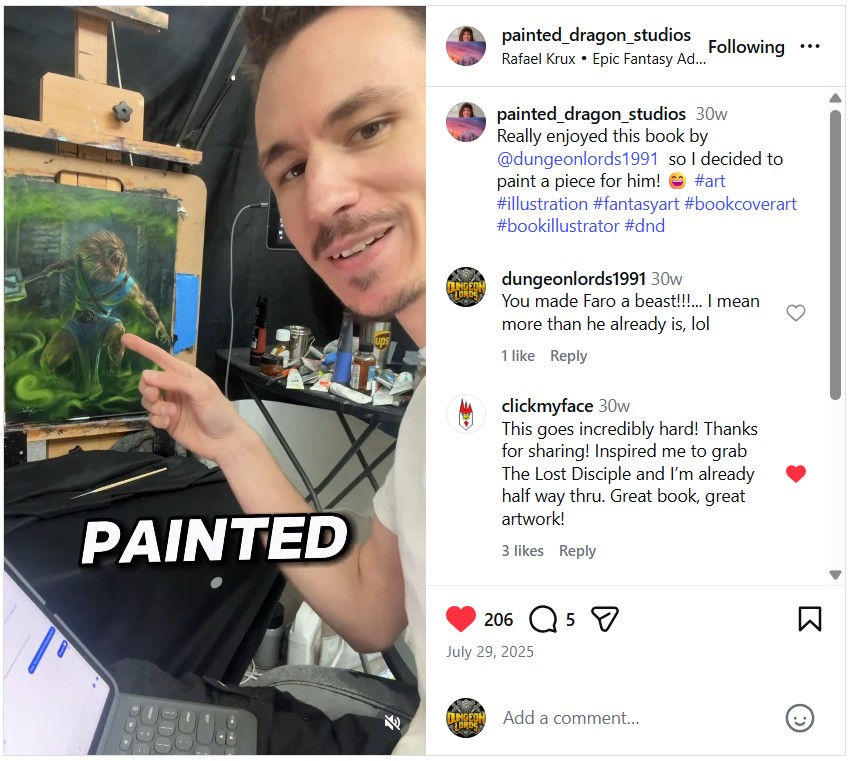
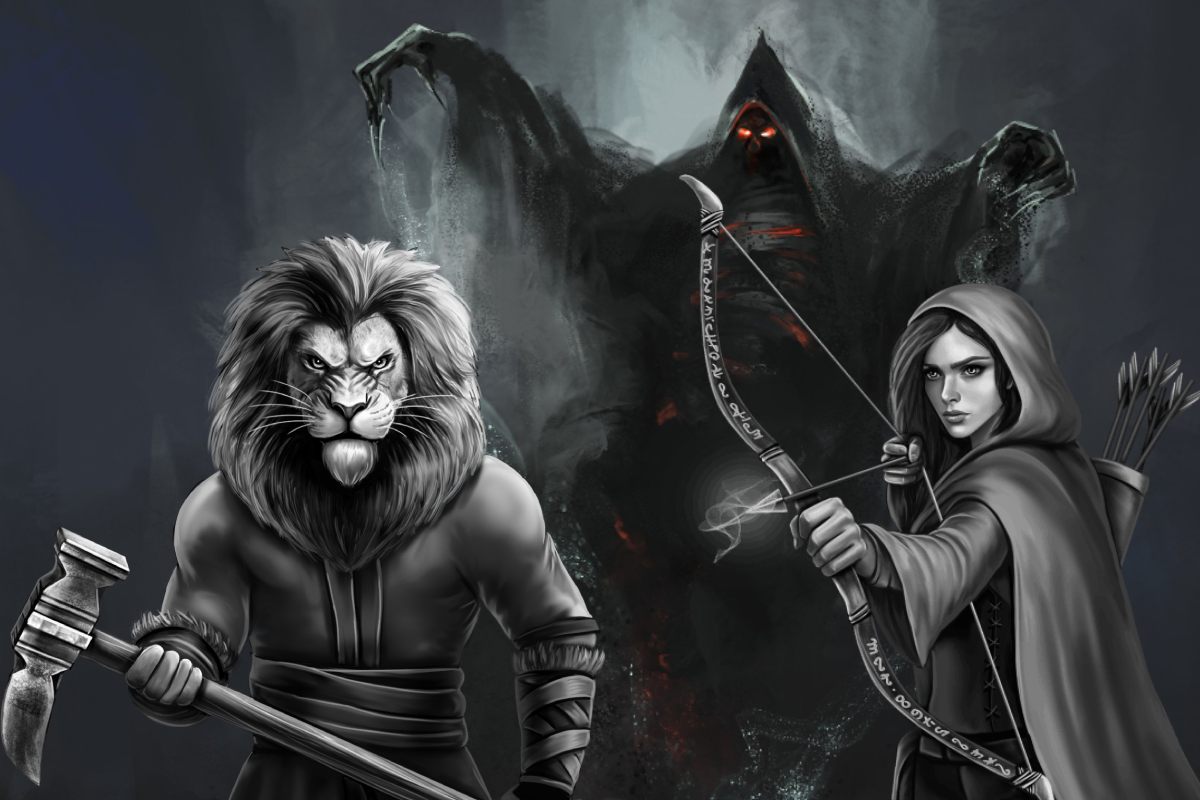
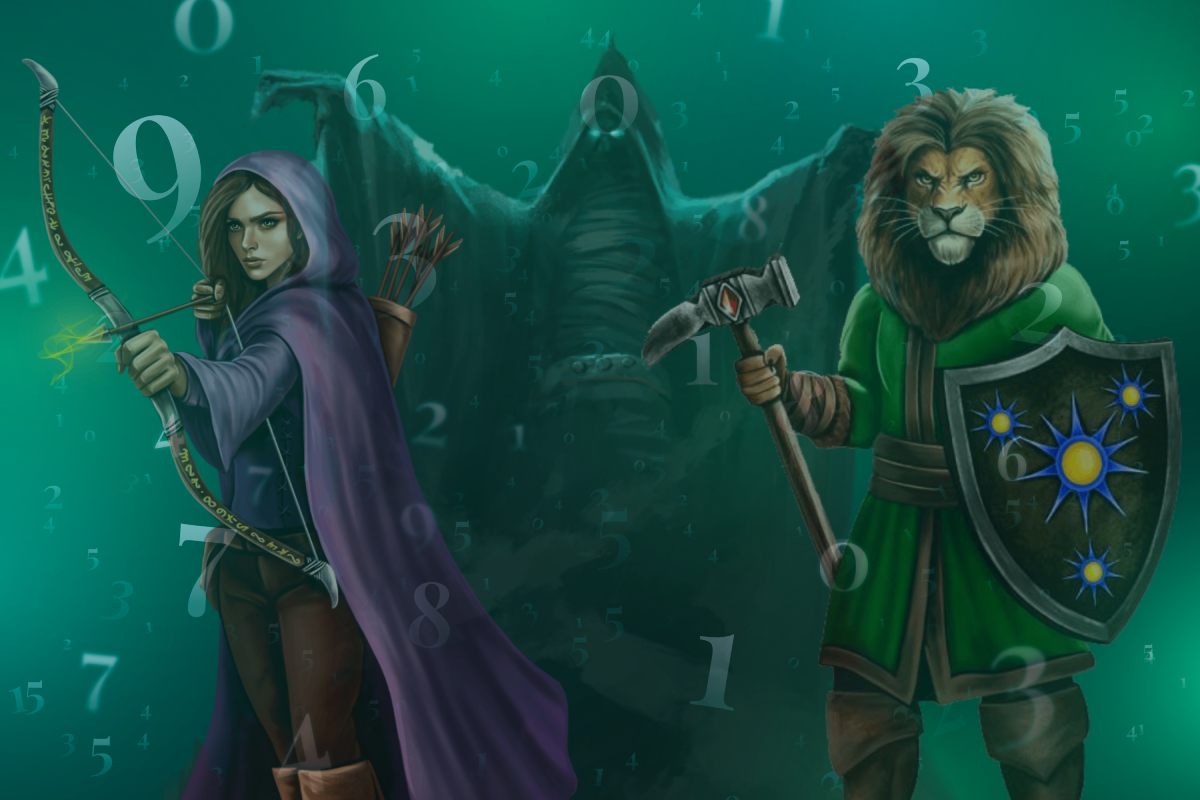
Not just to archive the legacy of the original game, but to carry the name forward into something new. My own fantasy series, Dungeon Lords: Fate of Evania, exists because that original title left an impression years ago. The old game opened the door. The books are what came after.
Legacy works like that.
Sometimes the first version is messy. Sometimes it gets torn apart by critics. Sometimes it becomes something bigger later because someone cared enough to keep it alive.
Whether you came here because you loved the original game, because you found an old copy at a thrift store, or because you discovered my book series first, welcome.
You are part of the legacy now.

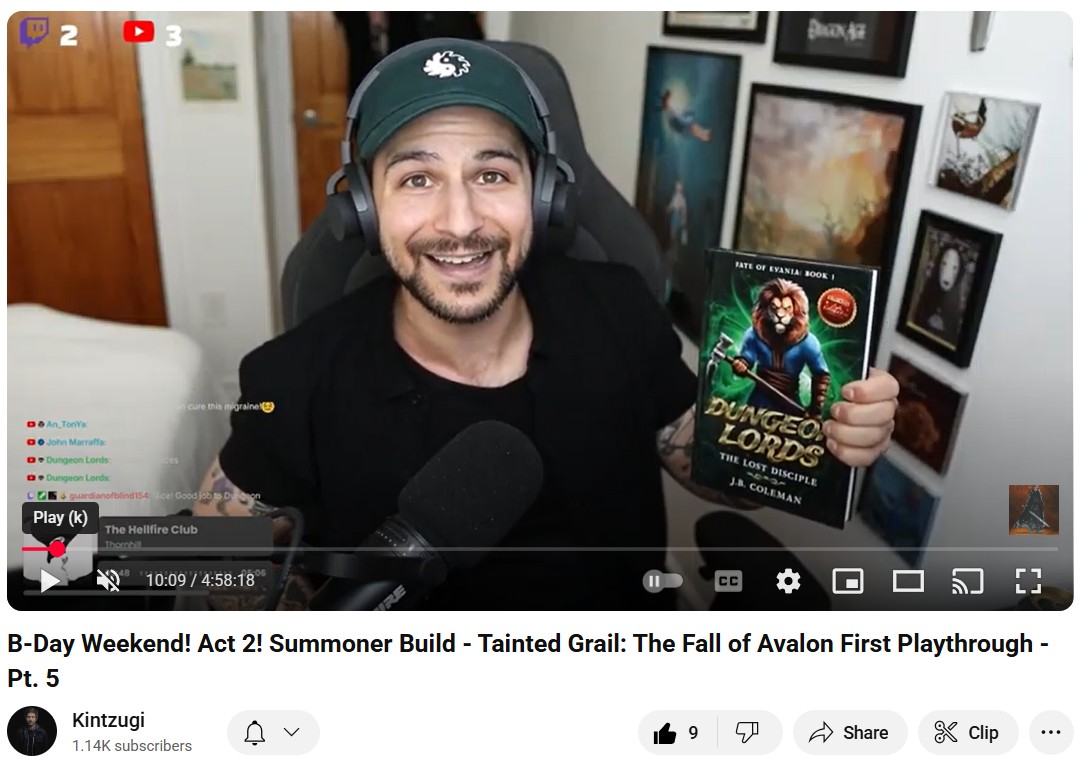
Cover of the first book in the Fate of Evania Series - Dungeon Lords: The Lost Disciple